DT02-8x22 Pocket Monocular Manufacturer & Supplier
One of the smallest and most effective 20mm-aperture monoculars for everyday carry.
Overview
Designed and manufactured by Hemusun Optronics — the DT02-8x22 Pocket Monocular builds on our in-house grinding, coating and assembly lines, the same capability behind 5,000+ optical component programs.
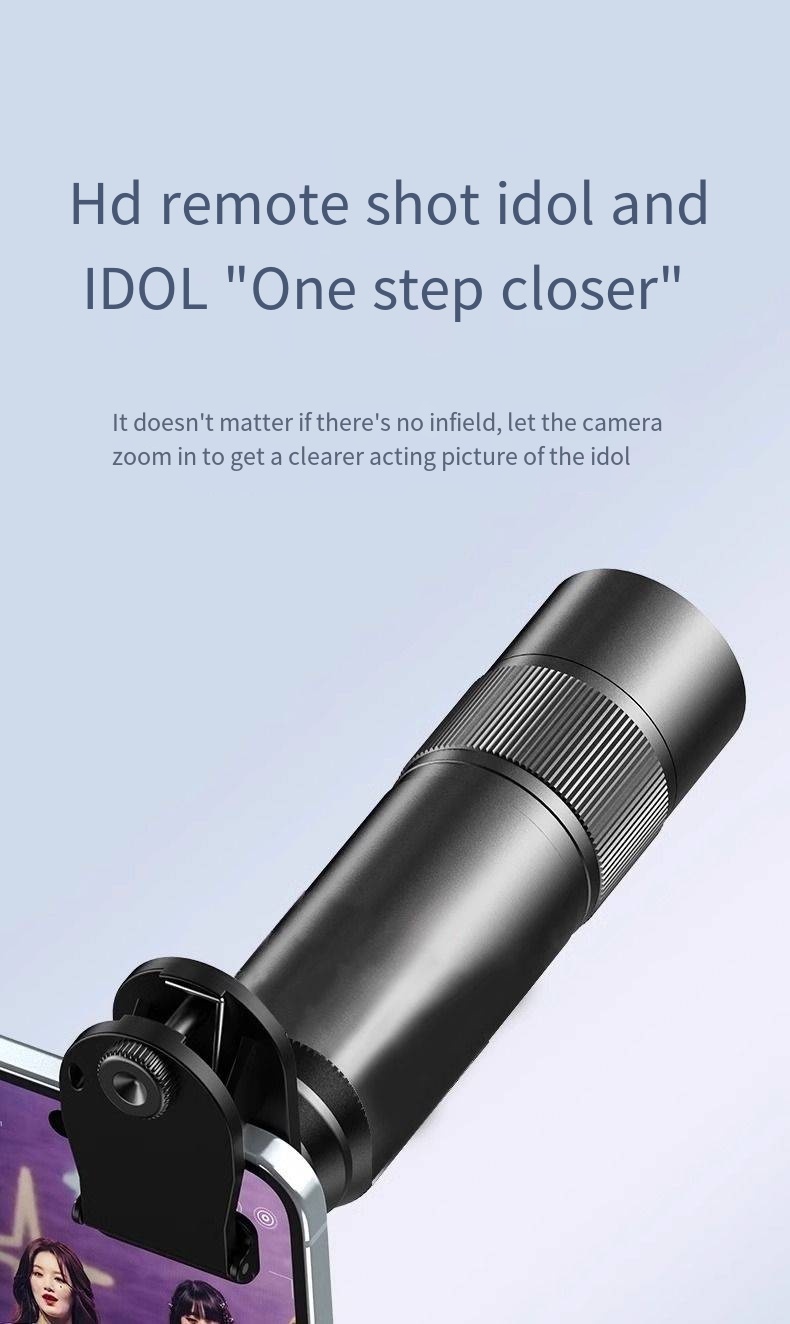
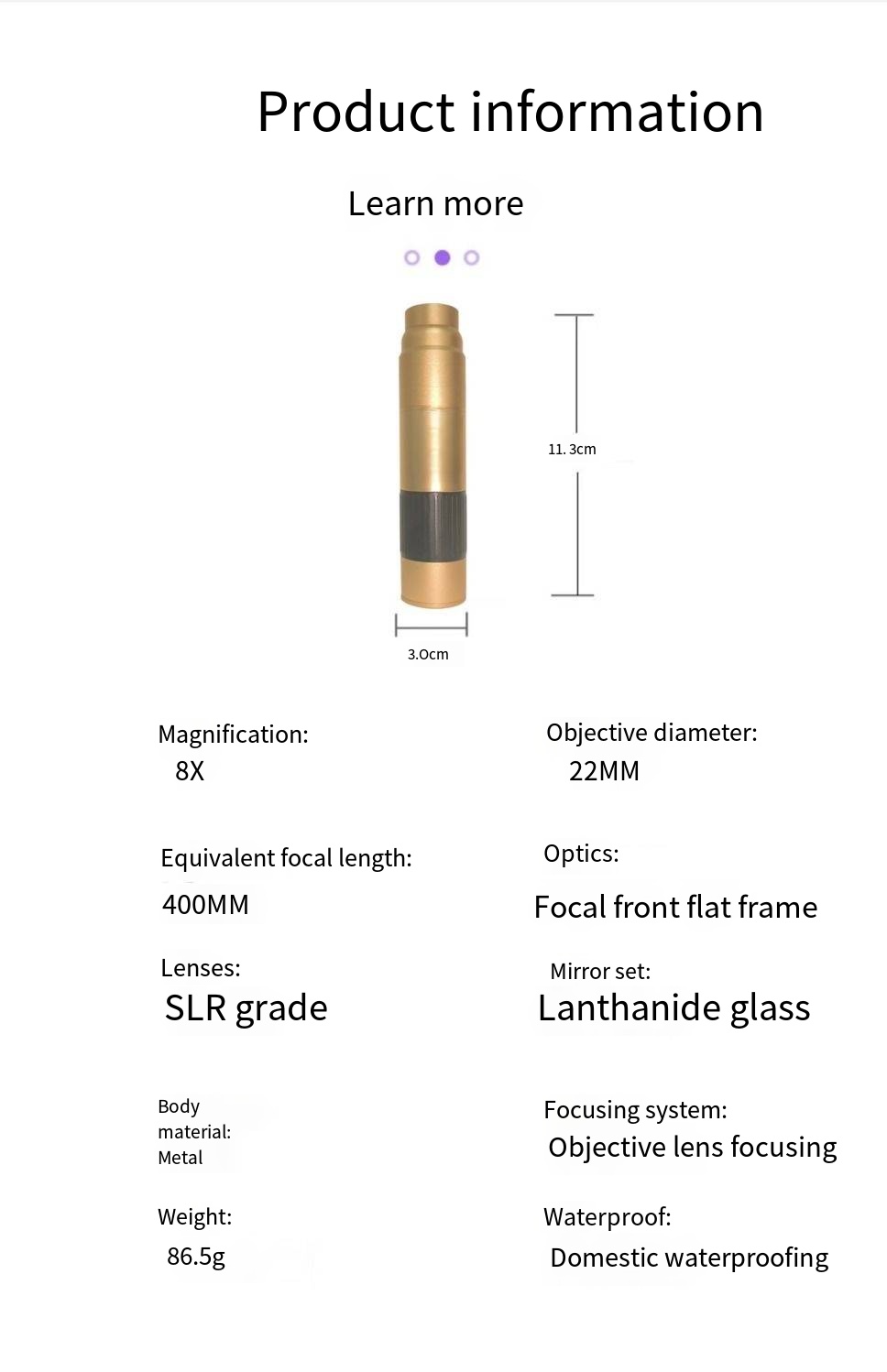
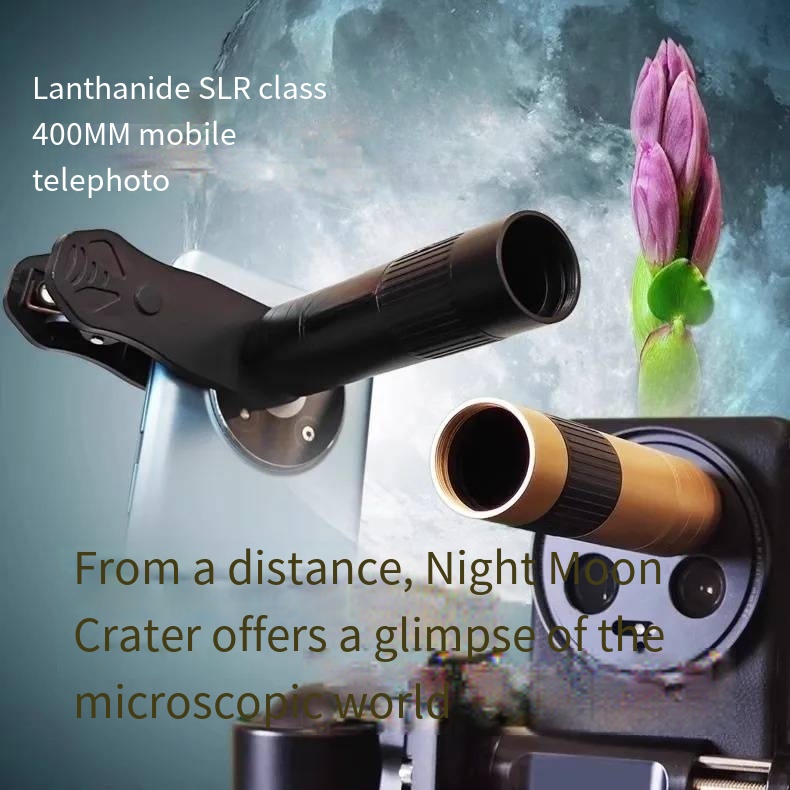
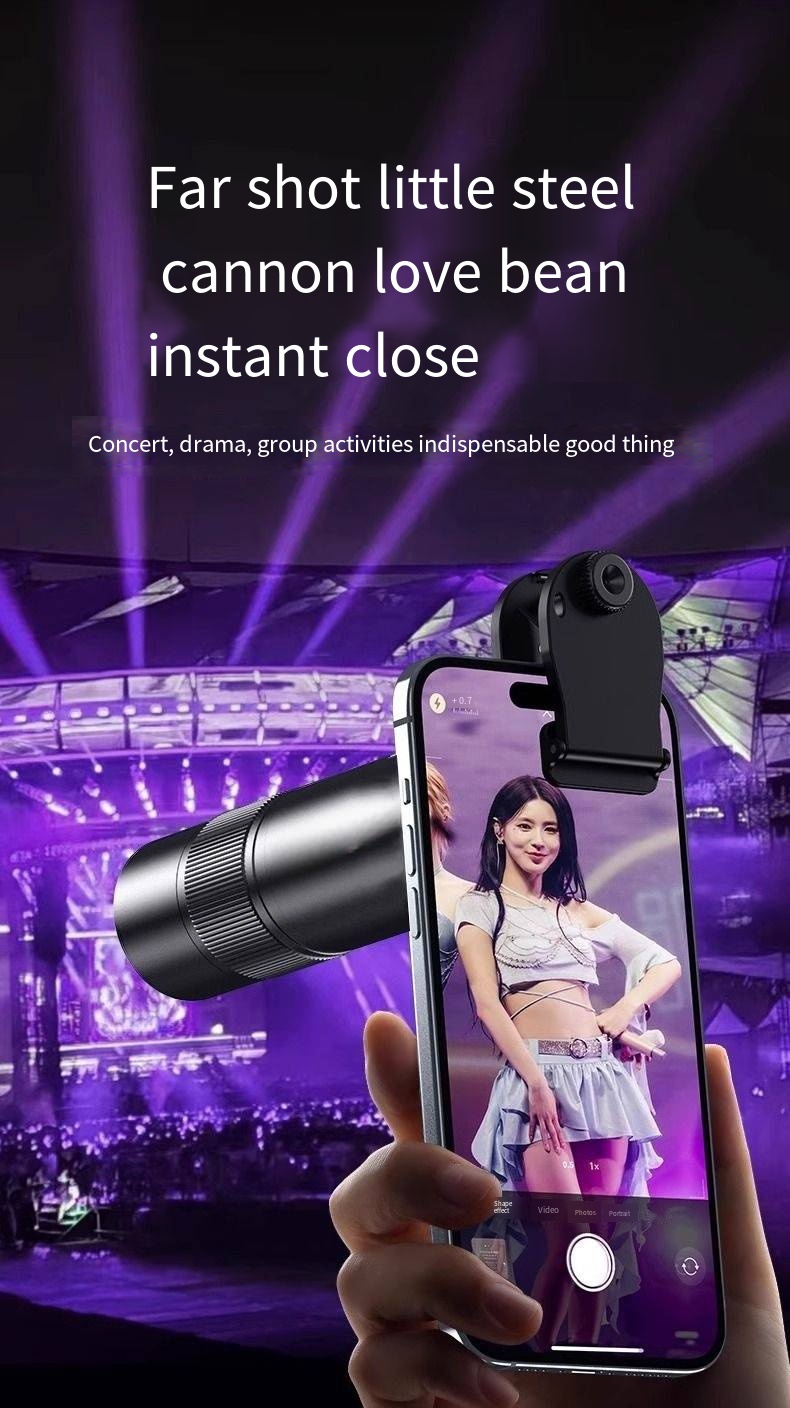
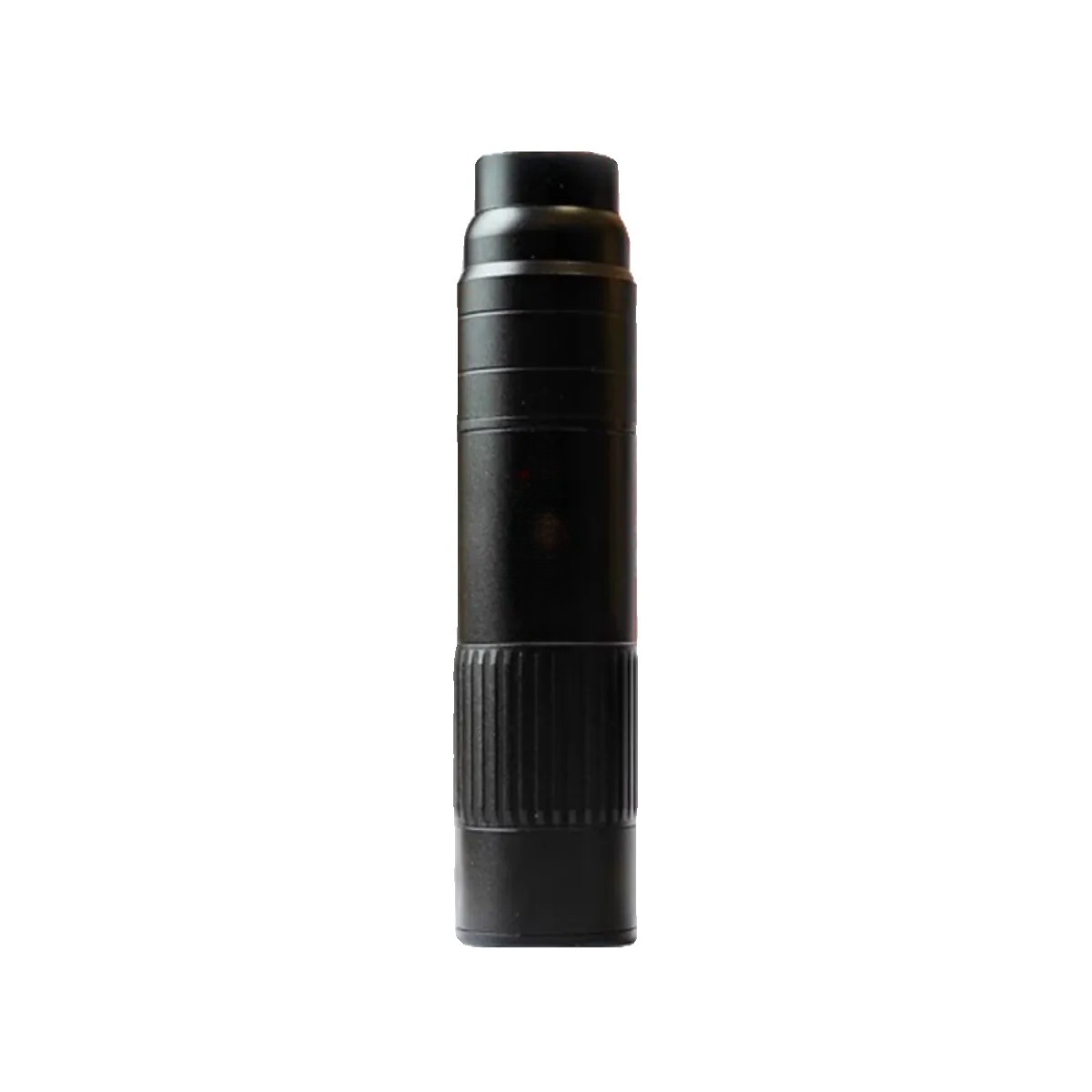
One of the smallest and most effective 20mm-aperture monoculars for everyday carry.
Key Specifications
| Parameter | Value |
|---|---|
| Optics (per model designation) | 8×22 mm |
| Full specification sheet | Complete datasheet, coating stack and QC plan available on request — contact the factory |
Full specification sheets are provided per program; specifications subject to improvement without notice. Contact the factory for the current datasheet.
Technical & Program Guide
Single-Handed Ergonomics Decide Reviews
Monoculars are reviewed by hands, not spreadsheets: focus reach with the thumb while holding, eye relief against the socket at arm's length, weight that doesn't pull a shirt collar. Our industrial design pass on each platform checks exactly these — the wheel position, the eyecup profile and the mass distribution — because the review that says 'hard to focus one-handed' outranks every spec on the box.
What the Optical Path Costs
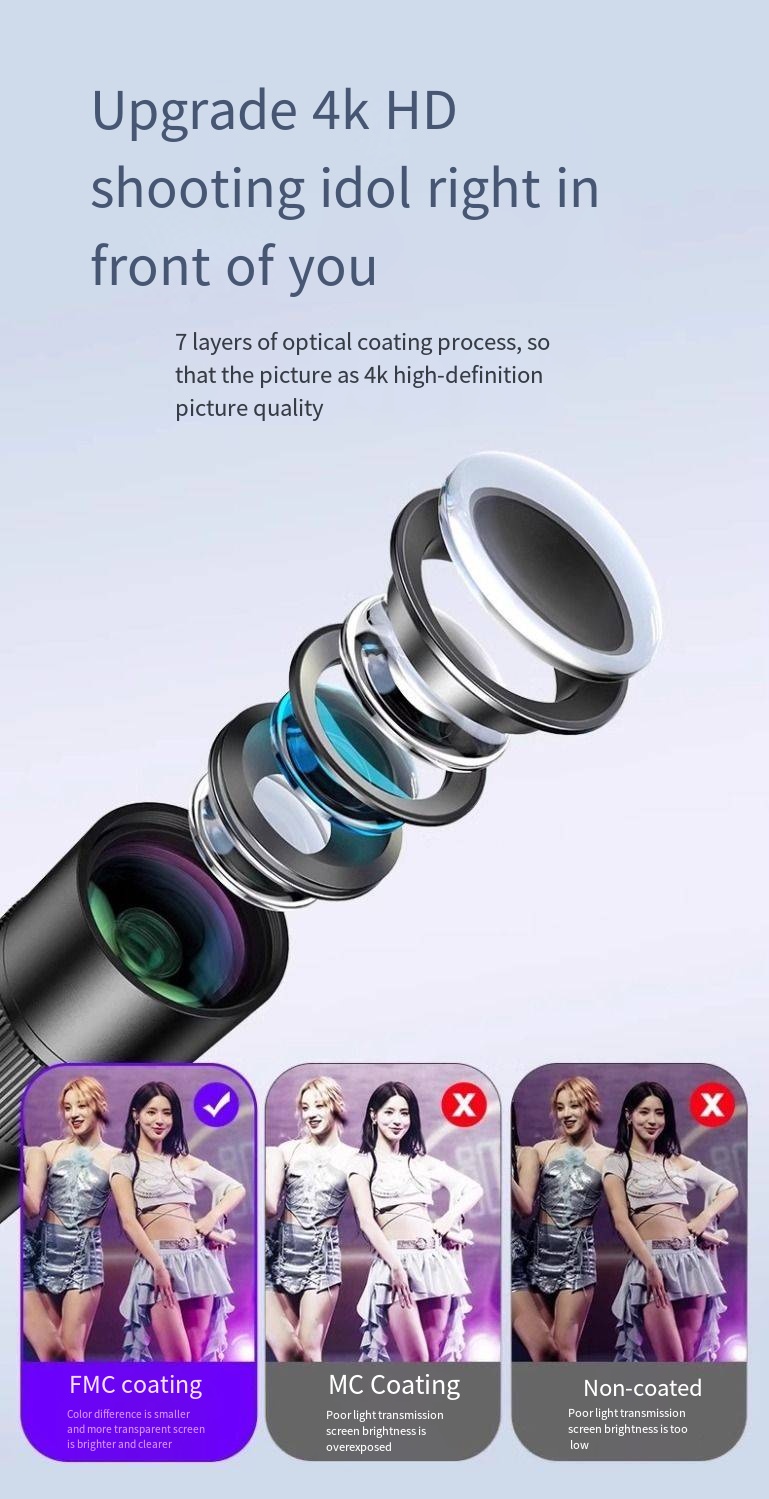
Roof-prism monoculars live or die on phase correction and coating. An uncoated roof prism loses contrast and fine detail in exactly the conditions monocular buyers care about — dawn, dusk, backlit stages. Phase-corrected, fully multi-coated optics are the minimum honest spec for retail; ask for the coating spectrum on the configuration you are pricing.
Retail Presentation Carries the Category
Monoculars are an 'explain it and they buy it' category. Windowed boxes that show the objective lens, back-card use icons (concerts, trails, signage), and an included strap/cloth dramatically lift conversion on peg display. Packaging is a program variable at no tooling cost at the card tier — use it.
Who actually uses the DT02 8x22 — and how that shapes the shelf
Monocular demand arrives in four waves, and the DT02-8x22 Pocket Monocular maps cleanly onto at least two of them. Travel and sightseeing retail buys the pocket argument — one hand free, the other holding a phone, the scope doing the reach the phone's camera cannot. Event retail (festivals, stages, sports stands, theater) buys the same reach in a format that passes bag checks. Kids' and education retail buys the first-optic gift at a price parents defend. And the phone-photography channel buys the DT02 8x22 as a camera accessory — especially in the stabilized formats — where listing beside cases and gimbals, not beside binoculars, lifts attach rate.
For a distributor, the point is that these four channels restock on different calendars, so a monocular platform smooths seasonal troughs that a binocular-only line cannot. Merchandising note from retail partners: monoculars convert when the shopper can look through them standing — peg placement at eye height with the objective facing out performs the same optic in a drawer case by a wide margin.
Making DT02 8x22 Yours
DT02-8x22 Pocket Monocular is offered on a platform-first program: the optical and mechanical core is in production, and your engagement customizes what surrounds it. The typical option set at this class covers housing and armor finish, badge and panel engraving, the coating tier where the optical design allows it, reticle or firmware behavior on electronic platforms, kit contents (straps, cases, cloth, adapters) and retail packaging at card, box or bulk tiers. None of those choices require new tooling, which is why a differentiated private-label SKU can reach your shelf inside a single buying season rather than two.
Sampling runs in three gates. Gate one is a stock sample of DT02 8x22 for field evaluation — run it through your own use, not a showroom demo, and note what surprises you. Gate two is a branding sample carrying your artwork: the factory's handling of your badge, fonts and box at this stage is a reliable trailer for production discipline. Gate three is a pre-production lot with the QC checkpoints your QA team defines in writing — test records, collimation or full-function checks per unit, packing verification against the drop standard your market expects. Each gate has a written pass before the next opens; this gate structure is how programs avoid the expensive surprise at container inspection.
Commercial terms follow the factory standard: tiered pricing by quantity band, a deposit at order with the balance against shipping documents, and a spare-parts list naming every consumable and wear item on this platform with its availability horizon. Programs that commit forecasts hold production slots and inventory tranches — the mechanism that survives peak season, when slot-less orders queue behind everyone else's. Tell us the destination market and your broker receives a compliant document set: commercial invoice and packing list, plus laser classification, battery transport declarations or labeling documentation where the model carries those regulated components. One more practical note from the field: distributors who order the accessory ring beside the instrument — straps, cases, adapters for this class — consistently report double the category basket per selling location, so quote the platform and its accessories together, not the device alone.
Sampling, Lead Time and Logistics
Stock-platform samples ship in a few days by express; badge-custom samples take one to two weeks with your artwork. Production for customized programs runs four to six weeks from spec lock; tooled programs are scheduled per project. Export paperwork (commercial set, laser class or battery documentation where applicable) is prepared with each shipment, and we work to your Incoterms and broker requirements.
Payment structure is standard for manufacturing: a deposit at order and the balance against shipping documents. Programs with forecast commitments can hold production slots and inventory tranches — the mechanism that survives peak season, when slot-less orders queue behind everyone else's.
Field Use
1.Remove the lens cap: for observation purposes. 2.Adjust the eyecups: to allow comfortable positioning of the eyes near the eyepiece during observation. 3.Adjust the focus: to achieve a clear image of the target, you can rotate the focus wheel for precise focusing. 4.Stabilize your observation: support your elbow with another hand or place the monocular on a tripod to provide a more stable viewing environment. 5.Align with the target: find the optimal viewing angle by adjusting the direction, angle, and position of the monocular. 6.Observe and adjust: fine-tune the focus or use the zoom adjustment on the monocular to obtain clear and detailed observation images. Please note that specific monoculars may have different features and operating methods. Please refer to the instruction manual of your specific monocular for accurate operating instructions.
Questions about this platform?
Send your market and target price — we will confirm fit, options and tiered pricing.
Request a Quote WhatsAppFrequently Asked Questions
Is the DT02 8x22 a stock platform?
Yes — DT02-8x22 Pocket Monocular is an in-production platform. Stock samples are available before program commitment, and badge/custom runs of DT02 8x22 follow the standard four-to-six-week customization lead time.
What customization is available on this model?
Housing color and finish, badge and engraving, coating and reticle options where the platform supports them, plus kit composition and packaging. Ask for the platform's option sheet — it lists what is a decal decision, what is a tooling decision, and what is a firmware decision.
What does the datasheet include?
Full optical and mechanical parameters, coating specification, test records (waterproof/purge on sealed models, collimation per unit), packing list and the tiered price sheet for your quantity band.
What magnification is too much for a handheld monocular?
Above roughly 10x, hand shake dominates image quality unless the unit has stabilization. That is why our non-stabilized monoculars top out near 10x and our 12x unit is stabilized.
Tell us the market. We will spec the optics.
Platforms, price tiers, MOQ and samples — an answer from the factory within one business day.