Night Vision & Thermal Manufacturer & Wholesale Supplier
Digital night-vision monoculars and goggles plus uncooled thermal imaging monoculars and scopes. Head-mounted, handheld and helmet-mount formats for law enforcement, hunting and rescue.
The Night Vision & Thermal Line from the Factory
Digital Night Vision vs Thermal: Different Jobs
Digital night vision amplifies what faint light exists — starlight, moonlight, skylight — through an image sensor, usually topped up by an IR illuminator for total darkness. It shows detail: a face, a tag, a tripwire. Thermal sees emitted heat and needs no light at all; it finds the warm shape that vision hides. These are complementary tools, and a line that carries both sells more than a line that argues about one.
Our digital NVG line (NVG30, NVG40, NVG50) covers head-mounted formats for hands-free work — patrol, night hiking, salvage, pest control — with the NVG50 adding a two-purpose mount that grafts to helmet or bracket and a smaller body than its predecessor. The thermal line (BTI-10, BTI30, BTI300, BTI400, H10/15-S) spans helmet-mounted through handheld through scope-form units built on uncooled microbolometer sensors.
The Thermal Numbers That Matter
Detector resolution sets how much detail heat can carry — 384x288 is the mainstream performance band, 640x512 the premium band. Pixel pitch and lens focal length together set field of view and detection range: detection, recognition and identification are three different distances and honest datasheets list all three. Palettes (hot black, white hot, ironbow) and picture-in-picture are firmware features that cost nothing but sell visibly.
Our BTI-10 helmet unit runs a 384x288 sensor with detection to 1000 m; the H10/15-S handheld pairs a 256x192 detector with an LCOS display and up to 8 hours of runtime; the BTI400 steps to 640x512 with manual focus and onboard storage. These are the shipped configurations — your private-label unit inherits them with your brand on the housing.
Export, Legal and Channel Realities
Night-vision and thermal products carry export controls and country-level import rules that change by destination. Distributors should plan classification paperwork before their first PO, not after a shipment stops. We support customers with product classification questions and route orders through compliant channels — an unglamorous part of the program, and the part that protects your business.
Need a recommendation?
Send us your application and we will match the right platform, configuration and price tier.
Request a Quote WhatsAppPlatforms in This Line
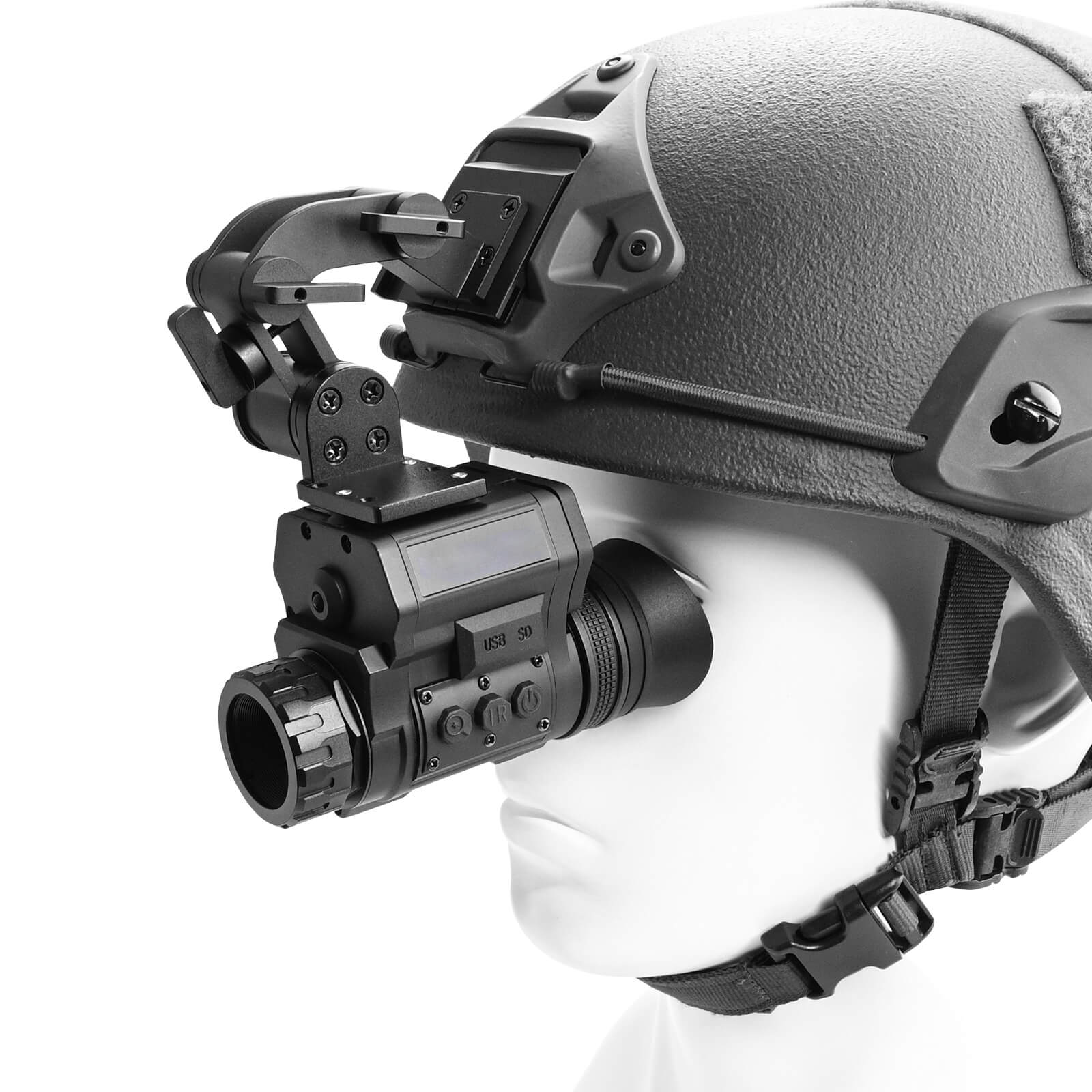
NVG50 Head-mounted Night Vision
Two-purpose digital night vision: head-mounted or graft-onto device, more compact than NVG30.
NVG50 · specifications & program details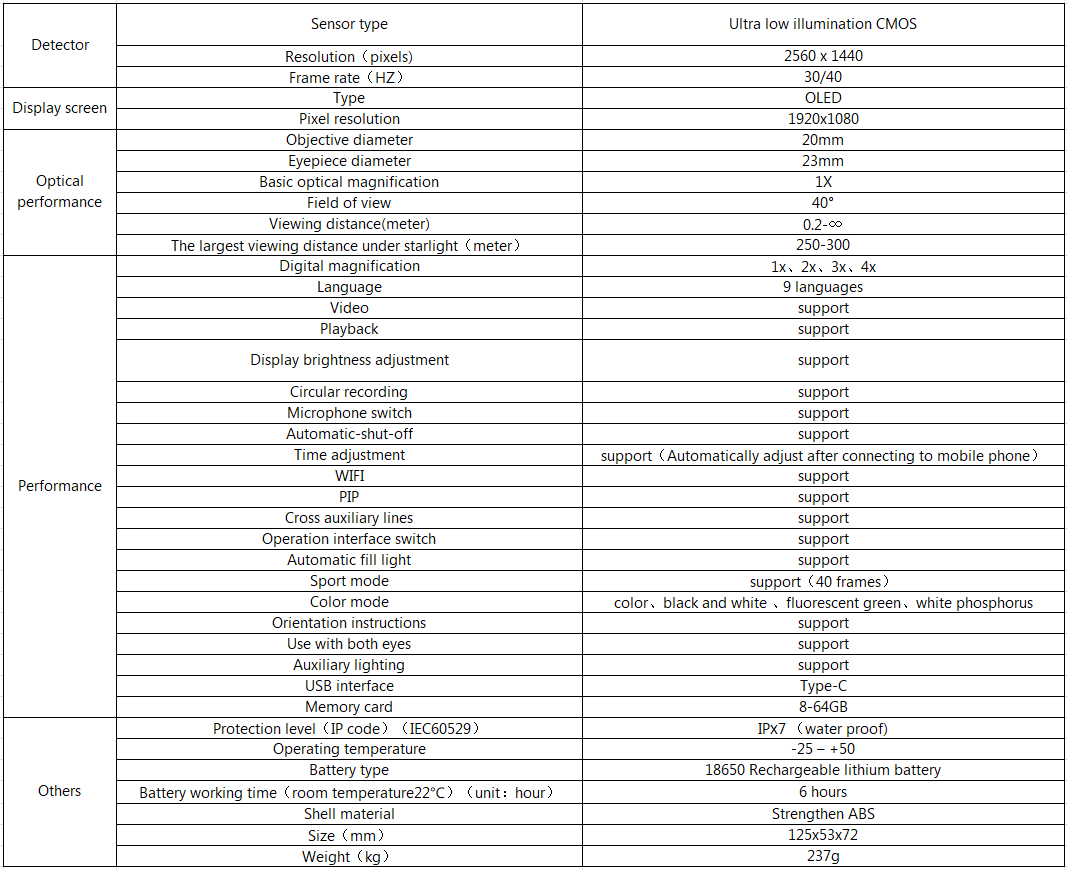
NVG30 Head-mounted Night Vision
The best digital night vision for the money, high-performance infrared for low light.
NVG30 · specifications & program details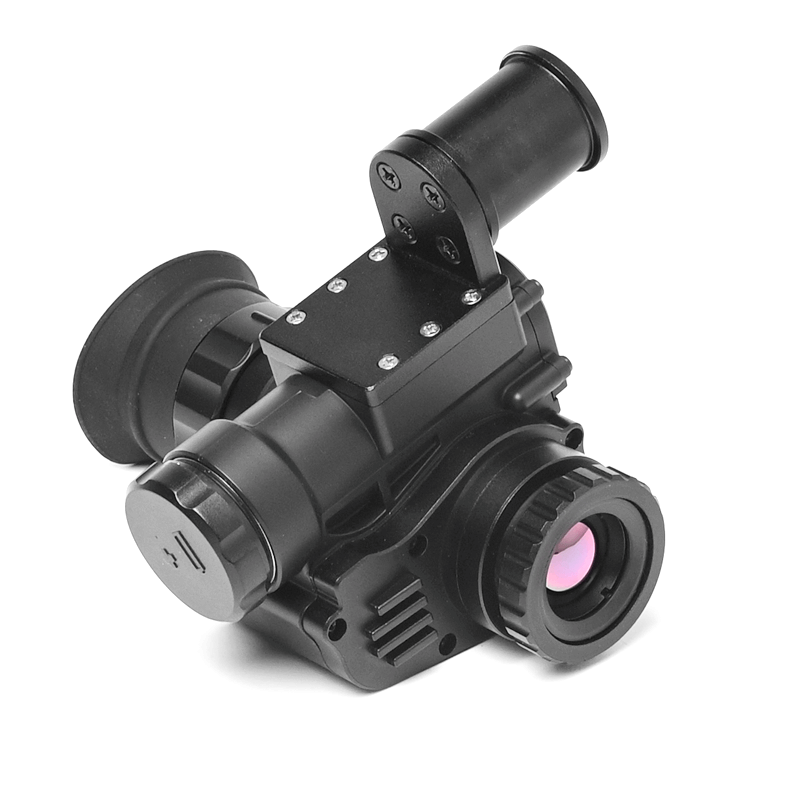
BTI-10 Helmet Mountable Thermal
384x288 thermal sensor, detection range up to 1000m in complete darkness.
BTI-10 · specifications & program details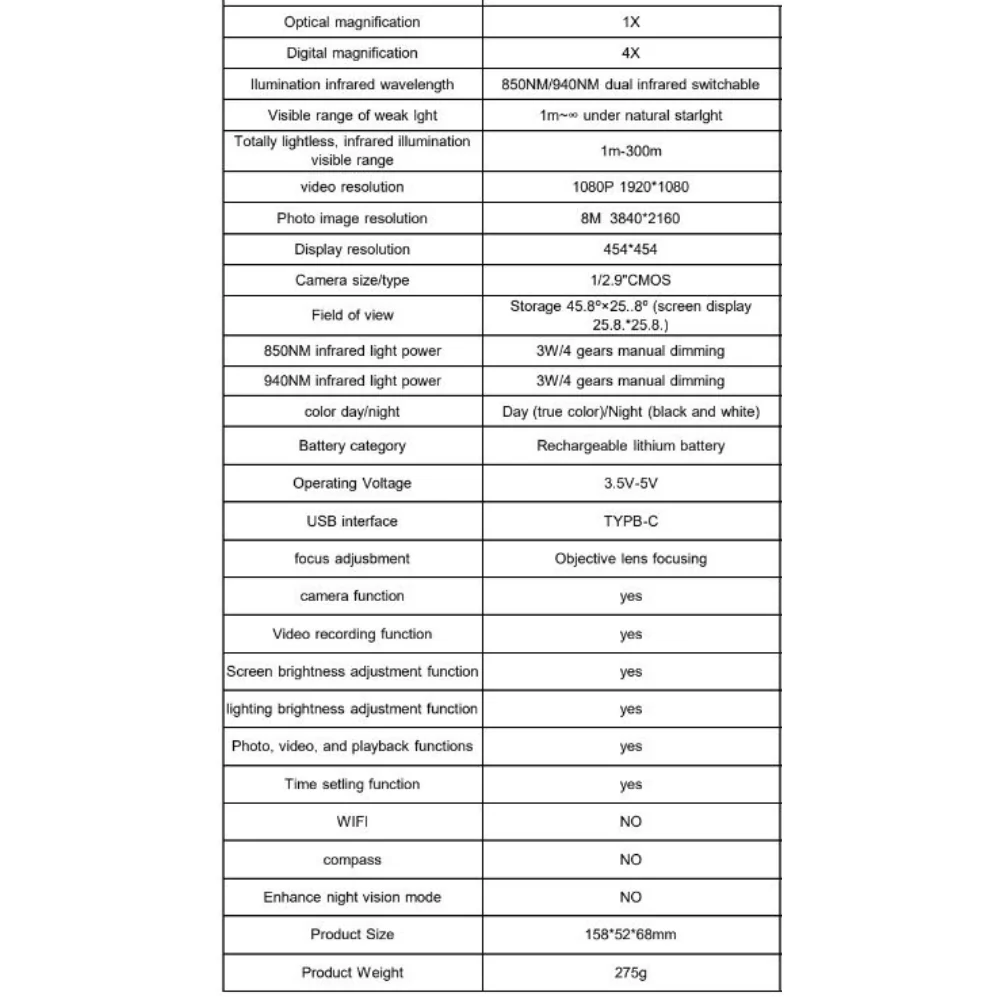
NVG40 Head-mounted Night Vision
One of the most budget-friendly low-light digital night vision devices we offer.
NVG40 / YS02-HW-4x · specifications & program detailsFrequently Asked Questions
What is the difference between night vision and thermal?
Night vision amplifies available light (plus IR illumination) and shows detail; thermal senses emitted heat and needs no light at all, finding shapes rather than details. They are complementary tools — a complete product line carries both.
What resolution should I specify for thermal?
384x288 is the mainstream performance band for handheld and helmet units; 640x512 is the premium band for longer identification ranges. Lens focal length and pixel pitch set field of view and detection range together — ask for detection/recognition/identification distances, not a single range number.
Are there export restrictions on night vision and thermal?
Yes — most countries regulate import and export of night-vision and thermal imaging. Distributors should plan classification and licensing before the first PO; we support with documentation and compliant shipping routes.
Can I private-label these devices?
On our digital NVG and thermal platforms: housing color, decals, boot screens, manual language, packaging and selected accessory kits. Device firmware palettes and PiP options round out differentiation without new hardware.
Tell us the market. We will spec the optics.
Platforms, price tiers, MOQ and samples — an answer from the factory within one business day.