NVG30 Head-mounted Night Vision Manufacturer & Supplier
The best digital night vision for the money, high-performance infrared for low light.
Overview
Designed and manufactured by Hemusun Optronics — the NVG30 Head-mounted Night Vision builds on our in-house grinding, coating and assembly lines, the same capability behind 5,000+ optical component programs.
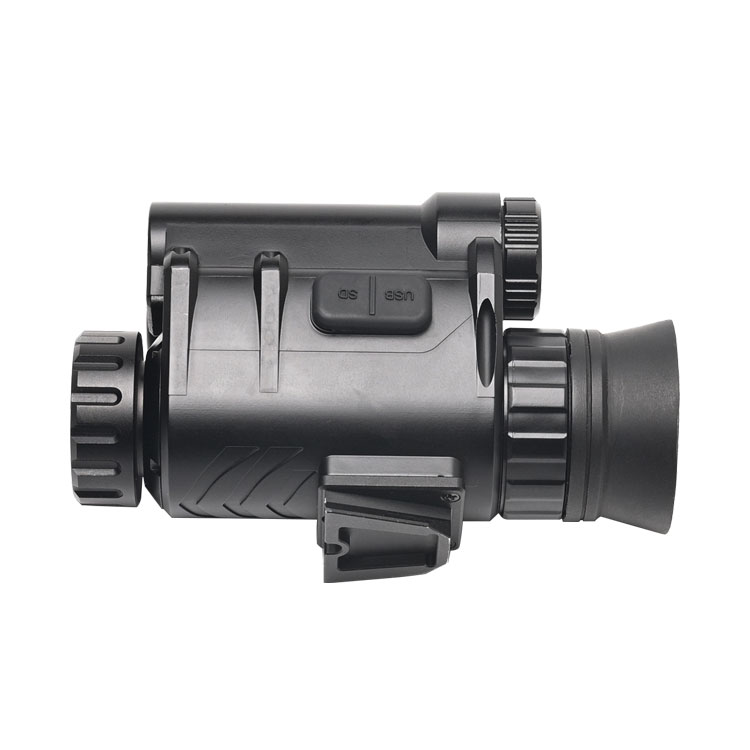
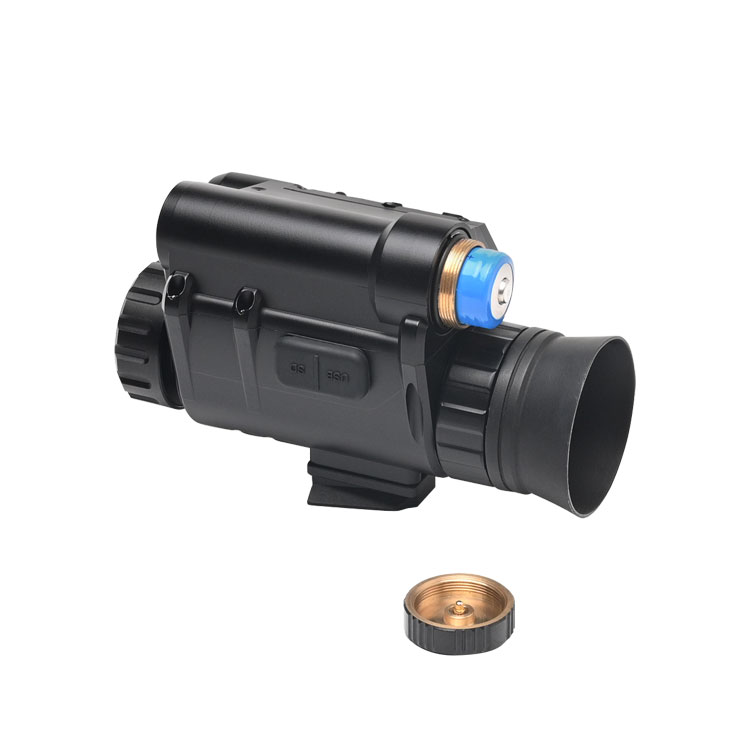
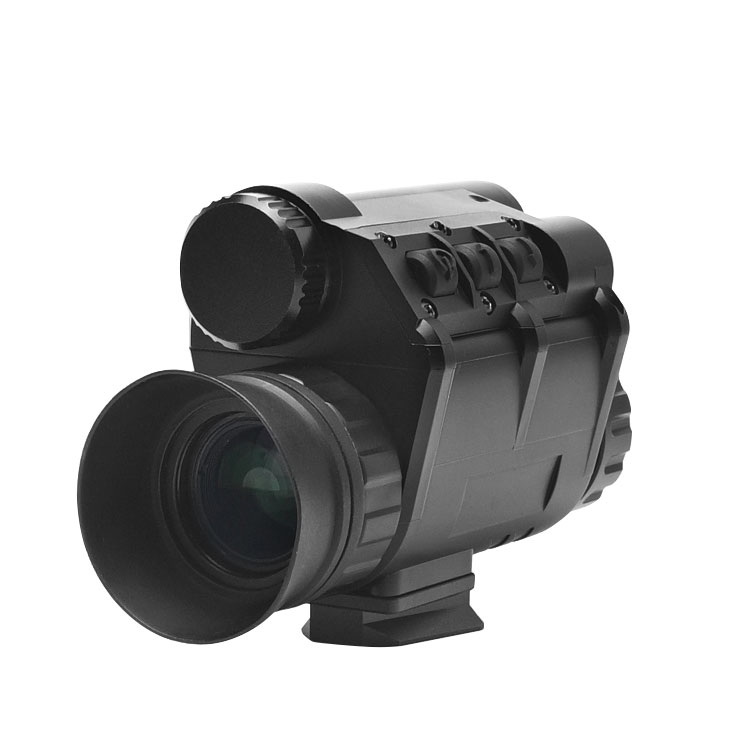
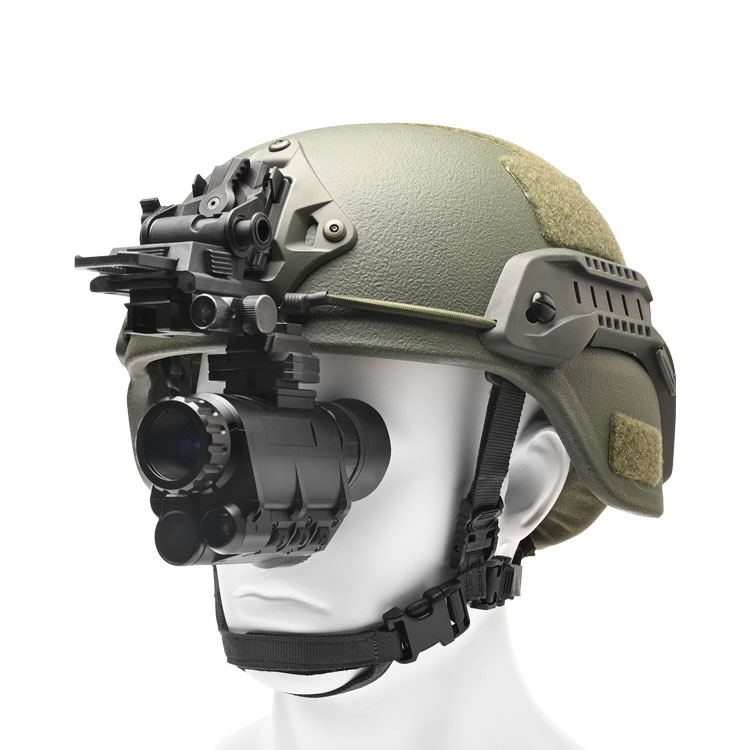
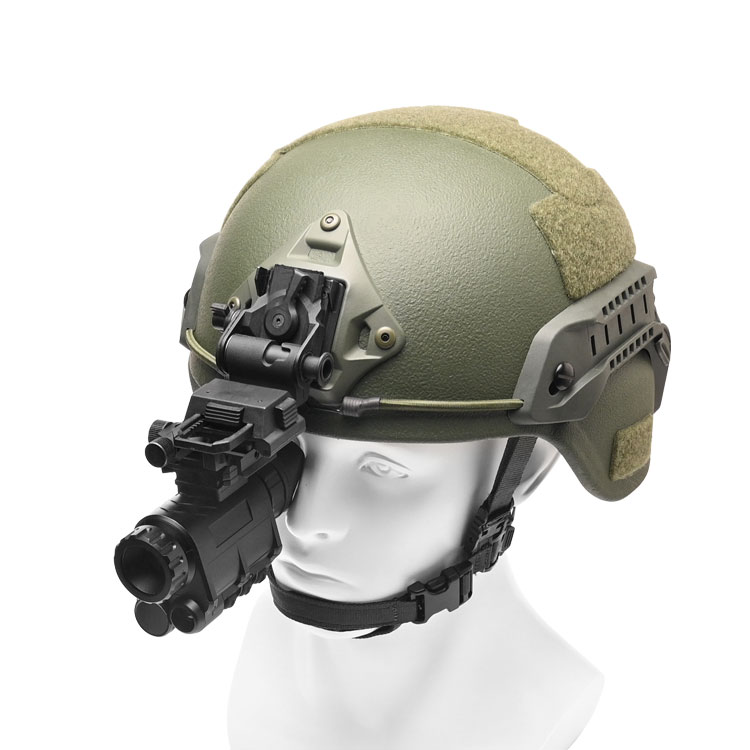
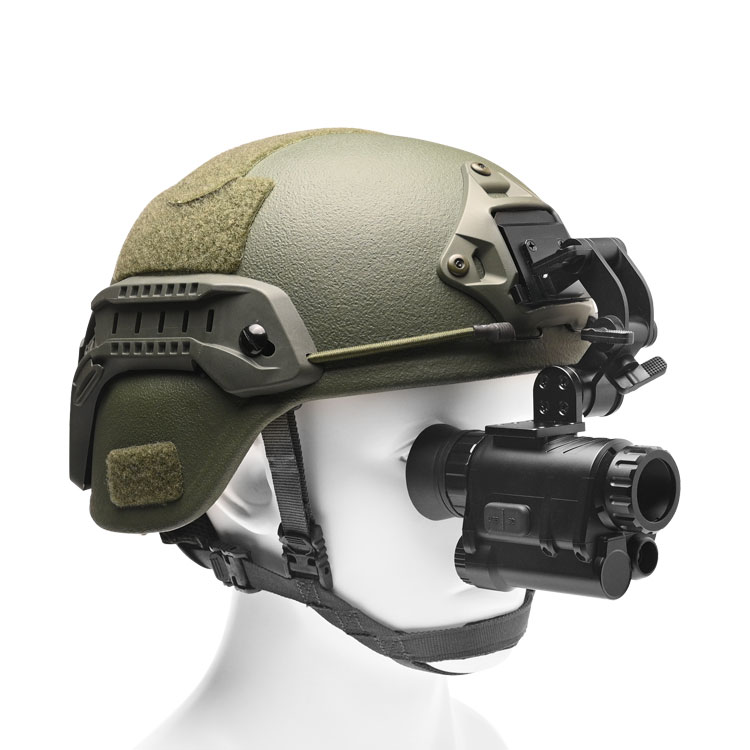
The best digital night vision for the money, high-performance infrared for low light.
Key Specifications
| Parameter | Value |
|---|---|
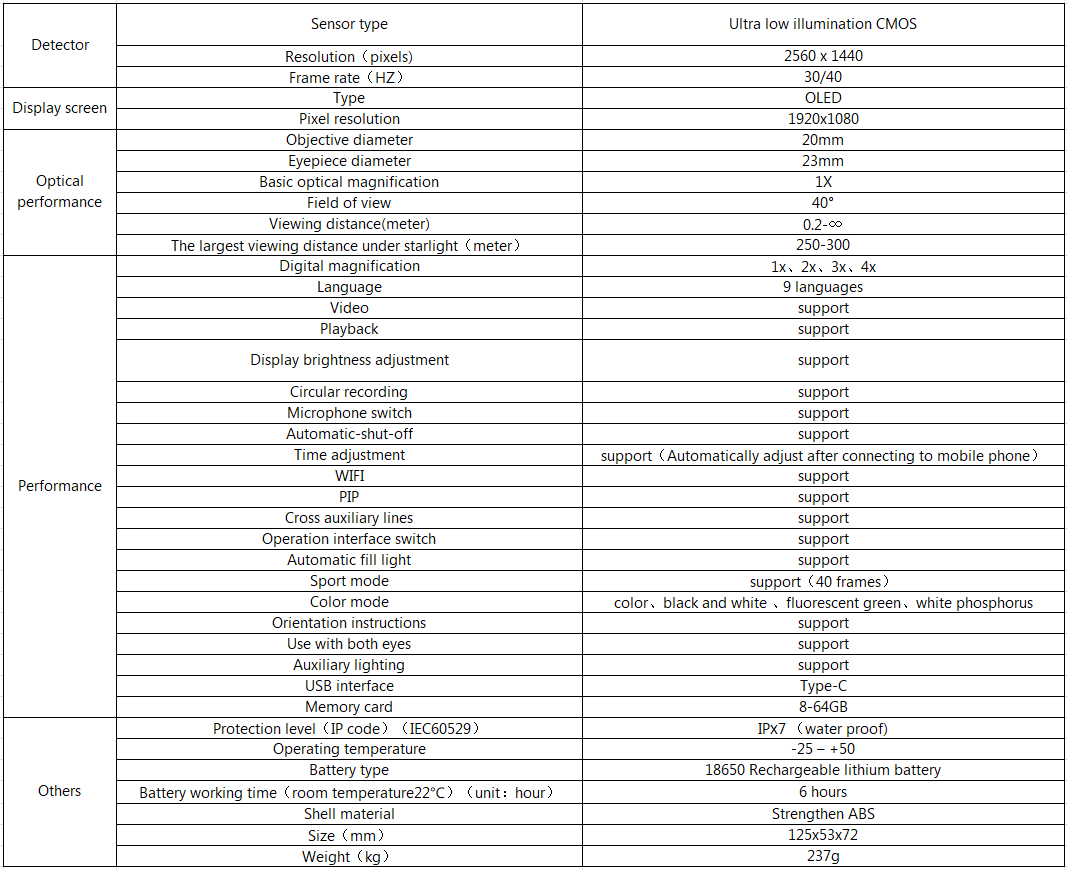
| Full specification sheet | Complete datasheet, coating stack and QC plan available on request — contact the factory |
Full specification sheets are provided per program; specifications subject to improvement without notice. Contact the factory for the current datasheet.
Technical & Program Guide
Where Battery Meets the Field
Night devices are judged on the hour they die. Runtime spec, cell type availability in your market, hot-swap behavior and low-battery warnings are program variables. Our digital NVG and thermal platforms offer battery configurations per market, and the datasheet states runtime at realistic display and IR loads, not at minimum settings.
Display Ergonomics in the Dark
A device that is easy to read at noon is often unreadable when pupils are dilated — brightness floors, color choices against night vision preservation, and menu depth without light. Palettes, brightness curves and menu structure are tunable within firmware on our platforms, which is exactly where private-label differentiation lives in this category.
Mounting Systems Decide Use
Head-mounted units live or die on the interface: helmet shroud fits, counterweight balance against the neck, and how fast a user can move the device eye-to-eye. Our NVG platforms ship with mount options spanning headband through helmet bracket, and accessory kits are program line items.
Who actually uses the NVG30 — and how that shapes the shelf
Night and thermal optics are the most use-defined category we build, and the NVG30 Head-mounted Night Vision reaches four pools whose demand persists regardless of retail seasons. The professional pool — patrol, property protection, SAR teams, nuisance-wildlife contractors — buys the NVG30 as shift equipment: runtime past the shift end, helmet or headband mount fit, and display behavior that preserves dark adaptation. That pool is also the most documentation-hungry: they want the detection/recognition/identification distances stated honestly and the compliance paperwork to clear their own procurement rules.
The enthusiast pool — night hikers, campers, barn and farm owners — buys at accessible digital prices and shops on simplicity: one button, clear screen, no menu archaeology after midnight. The creator/observation niche buys for night sky and wildlife recording, where the phone-coupling and recording features move units. And the institutional second tier — security companies, wildlife management agencies — buys multiples with serial tracking, fleet charging accessories and multi-year service terms.
The program implication is configuration discipline: the NVG30 Head-mounted Night Vision platform's firmware options (palettes, brightness floors, IR channel behavior, boot screens) let one hardware line address all four pools with different presets and kit contents. Add the compliance reality — every destination treats night and thermal optics differently — and the supplier who answers classification questions before the PO becomes structurally part of your channel rather than one catalog option among many.
Making NVG30 Yours
NVG30 Head-mounted Night Vision is offered on a platform-first program: the optical and mechanical core is in production, and your engagement customizes what surrounds it. The typical option set at this class covers housing and armor finish, badge and panel engraving, the coating tier where the optical design allows it, reticle or firmware behavior on electronic platforms, kit contents (straps, cases, cloth, adapters) and retail packaging at card, box or bulk tiers. None of those choices require new tooling, which is why a differentiated private-label SKU can reach your shelf inside a single buying season rather than two.
Sampling runs in three gates. Gate one is a stock sample of NVG30 for field evaluation — run it through your own use, not a showroom demo, and note what surprises you. Gate two is a branding sample carrying your artwork: the factory's handling of your badge, fonts and box at this stage is a reliable trailer for production discipline. Gate three is a pre-production lot with the QC checkpoints your QA team defines in writing — test records, collimation or full-function checks per unit, packing verification against the drop standard your market expects. Each gate has a written pass before the next opens; this gate structure is how programs avoid the expensive surprise at container inspection.
Commercial terms follow the factory standard: tiered pricing by quantity band, a deposit at order with the balance against shipping documents, and a spare-parts list naming every consumable and wear item on this platform with its availability horizon. Programs that commit forecasts hold production slots and inventory tranches — the mechanism that survives peak season, when slot-less orders queue behind everyone else's. Tell us the destination market and your broker receives a compliant document set: commercial invoice and packing list, plus laser classification, battery transport declarations or labeling documentation where the model carries those regulated components. One more practical note from the field: distributors who order the accessory ring beside the instrument — straps, cases, adapters for this class — consistently report double the category basket per selling location, so quote the platform and its accessories together, not the device alone.
Sampling, Lead Time and Logistics
Stock-platform samples ship in a few days by express; badge-custom samples take one to two weeks with your artwork. Production for customized programs runs four to six weeks from spec lock; tooled programs are scheduled per project. Export paperwork (commercial set, laser class or battery documentation where applicable) is prepared with each shipment, and we work to your Incoterms and broker requirements.
Payment structure is standard for manufacturing: a deposit at order and the balance against shipping documents. Programs with forecast commitments can hold production slots and inventory tranches — the mechanism that survives peak season, when slot-less orders queue behind everyone else's.
Questions about this platform?
Send your market and target price — we will confirm fit, options and tiered pricing.
Request a Quote WhatsAppFrequently Asked Questions
Is the NVG30 a stock platform?
Yes — NVG30 Head-mounted Night Vision is an in-production platform. Stock samples are available before program commitment, and badge/custom runs of NVG30 follow the standard four-to-six-week customization lead time.
What customization is available on this model?
Housing color and finish, badge and engraving, coating and reticle options where the platform supports them, plus kit composition and packaging. Ask for the platform's option sheet — it lists what is a decal decision, what is a tooling decision, and what is a firmware decision.
What does the datasheet include?
Full optical and mechanical parameters, coating specification, test records (waterproof/purge on sealed models, collimation per unit), packing list and the tiered price sheet for your quantity band.
Can I private-label these devices?
On our digital NVG and thermal platforms: housing color, decals, boot screens, manual language, packaging and selected accessory kits. Device firmware palettes and PiP options round out differentiation without new hardware.
Tell us the market. We will spec the optics.
Platforms, price tiers, MOQ and samples — an answer from the factory within one business day.