GN03 20-60x80 ED Spotting Scope Manufacturer & Supplier
High image clarity with no eye discomfort during prolonged observation.
Overview
Designed and manufactured by Hemusun Optronics — the GN03 20-60x80 ED Spotting Scope builds on our in-house grinding, coating and assembly lines, the same capability behind 5,000+ optical component programs.
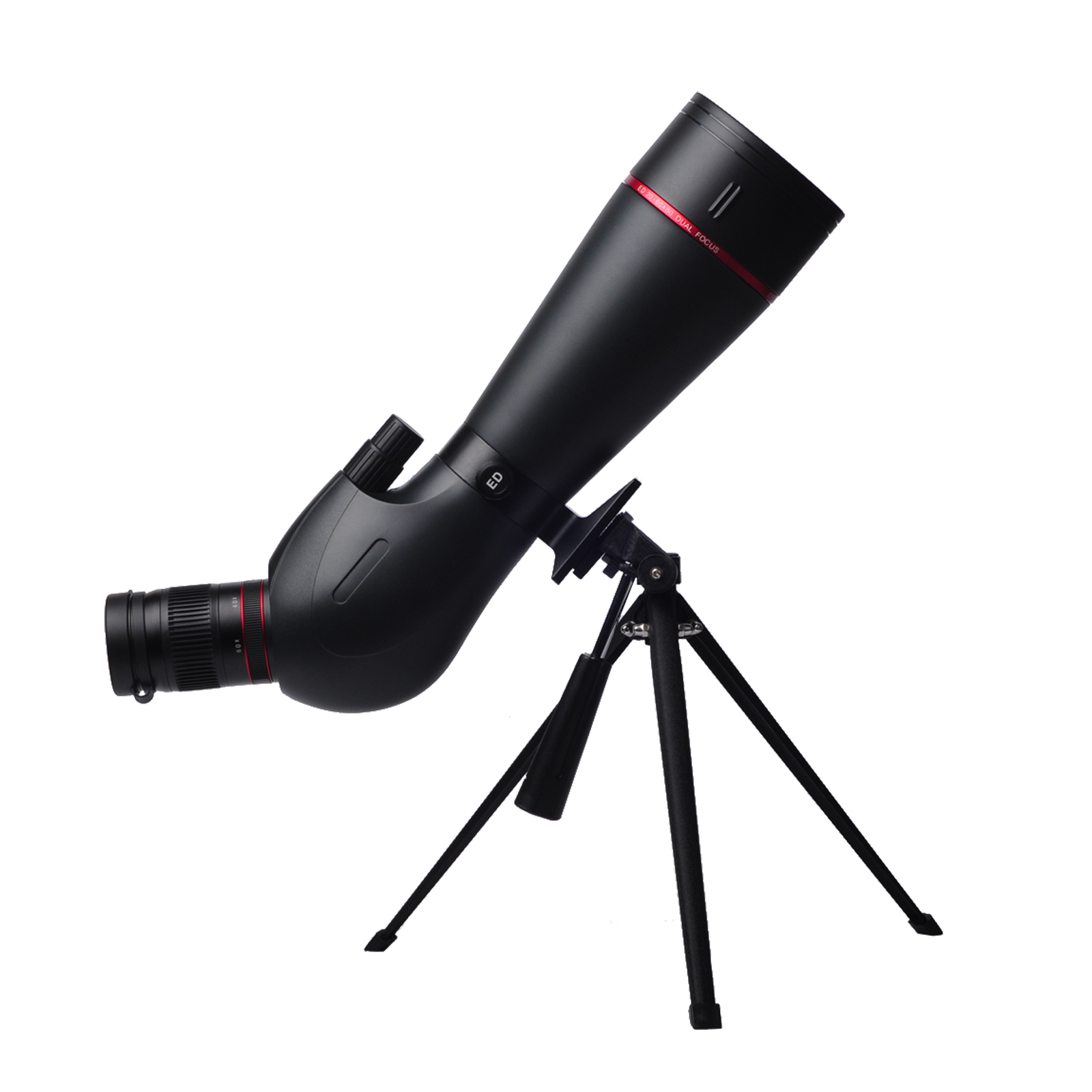
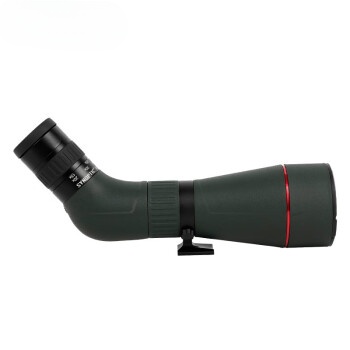
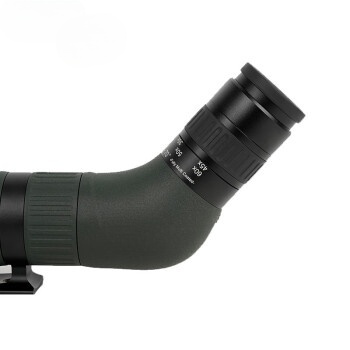
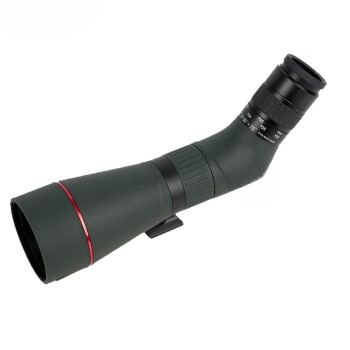
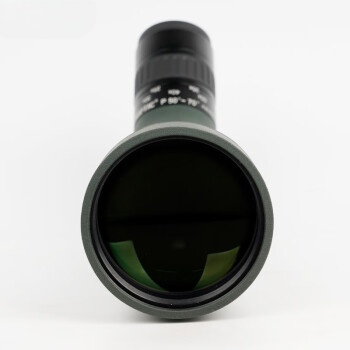
High image clarity with no eye discomfort during prolonged observation.
Key Specifications
| Parameter | Value |
|---|---|
| Optics (per model designation) | 60×80 mm |
| Glass | ED (extra-low-dispersion) optics |
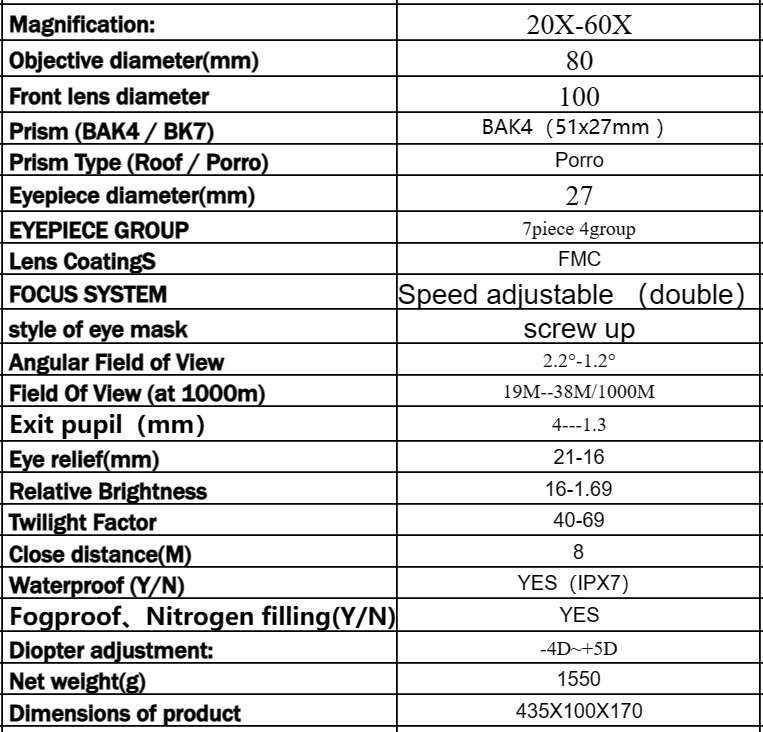
| Full specification sheet | Complete datasheet, coating stack and QC plan available on request — contact the factory |
Full specification sheets are provided per program; specifications subject to improvement without notice. Contact the factory for the current datasheet.
Technical & Program Guide
What This Model Is For
A spotting scope is a system sale: the scope, a tripod, an adapter, and a customer who will buy all three if they work together. This model targets the reach-and-detail tier — glassing, range, birding photography — where ED glass and a smooth zoom justify premium shelf placement.
How to Evaluate It Before Committing
Mount it. A scope is judged through its support: check eyepiece height against a seated position, check focus creep under an adapter's weight, check how fast you can reacquire after a target moves. Then shoot through it — digiscoping samples sell this category better than any datasheet.
Program Fit and Margins
The scope category carries the strongest accessory pull in optics: tripods, adapters, phone clamps, bags. Programs that stock the platform plus two accessory SKUs typically double the category's basket value per selling location.
Who actually uses the GN03 20-60x80 ED — and how that shapes the shelf
Spotting scope buyers arrive with a plan, which makes them the most methodical customers in optics retail — and the GN03 20-60x80 ED Spotting Scope should be merchandised to reward that method. The glassing crowd (long-range hunting, ridge and range observation) shops magnification band against objective diameter and asks about exit pupil at the long end; they feel the difference in zoom-ring drag and focus backlash on the showroom tripod. The digiscoping crowd arrives with a phone model and a question: will it hold steady, will it reach infinity with the adapter in circuit — so the display table needs a live phone rig, not a box. The birding-with-scopes crowd sits between: longer sits, lower tripod heights, and a taste for angled bodies and flip-down eyepieces.
Program note: these three pools share one production platform but want three accessory kits — a bare-scope retail kit, a digiscoping bundle (scope + phone adapter + tabletop tripod), and an institution kit (scope + full tripod + rain cover). Quoting the platform with a kit menu rather than three SKUs keeps inventory shallow while the shelf reads deep, which is exactly how scope programs survive their second season.
Making GN03 20-60x80 ED Yours
GN03 20-60x80 ED Spotting Scope is offered on a platform-first program: the optical and mechanical core is in production, and your engagement customizes what surrounds it. The typical option set at this class covers housing and armor finish, badge and panel engraving, the coating tier where the optical design allows it, reticle or firmware behavior on electronic platforms, kit contents (straps, cases, cloth, adapters) and retail packaging at card, box or bulk tiers. None of those choices require new tooling, which is why a differentiated private-label SKU can reach your shelf inside a single buying season rather than two.
Sampling runs in three gates. Gate one is a stock sample of GN03 20-60x80 ED for field evaluation — run it through your own use, not a showroom demo, and note what surprises you. Gate two is a branding sample carrying your artwork: the factory's handling of your badge, fonts and box at this stage is a reliable trailer for production discipline. Gate three is a pre-production lot with the QC checkpoints your QA team defines in writing — test records, collimation or full-function checks per unit, packing verification against the drop standard your market expects. Each gate has a written pass before the next opens; this gate structure is how programs avoid the expensive surprise at container inspection.
Commercial terms follow the factory standard: tiered pricing by quantity band, a deposit at order with the balance against shipping documents, and a spare-parts list naming every consumable and wear item on this platform with its availability horizon. Programs that commit forecasts hold production slots and inventory tranches — the mechanism that survives peak season, when slot-less orders queue behind everyone else's. Tell us the destination market and your broker receives a compliant document set: commercial invoice and packing list, plus laser classification, battery transport declarations or labeling documentation where the model carries those regulated components. One more practical note from the field: distributors who order the accessory ring beside the instrument — straps, cases, adapters for this class — consistently report double the category basket per selling location, so quote the platform and its accessories together, not the device alone.
Sampling, Lead Time and Logistics
Stock-platform samples ship in a few days by express; badge-custom samples take one to two weeks with your artwork. Production for customized programs runs four to six weeks from spec lock; tooled programs are scheduled per project. Export paperwork (commercial set, laser class or battery documentation where applicable) is prepared with each shipment, and we work to your Incoterms and broker requirements.
Payment structure is standard for manufacturing: a deposit at order and the balance against shipping documents. Programs with forecast commitments can hold production slots and inventory tranches — the mechanism that survives peak season, when slot-less orders queue behind everyone else's.
Field Use
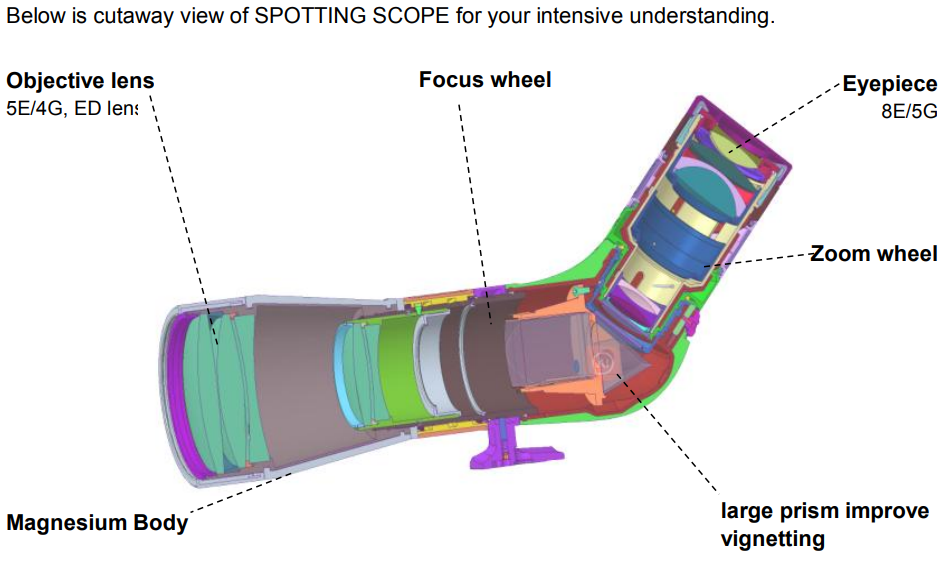
Step A: Remove the eyepiece and objective lens covers. Step B: Close one eye and use the eyepiece to observe the object, adjust the eyecup and zoom adjustment. Step C: Use the central diopter adjustment wheel until the object image is roughly clear. Step D: Use the central focus wheel until the object image is roughly clear and sharp. Step E: You can rotate the ED knob to adjust the orientation of the binoculars, then tighten it in place. Note: Steps B, C, and D are repeated in a cycle. It is recommended to start with a lower magnification, such as 20x, to adjust the focus before increasing the magnification.
Questions about this platform?
Send your market and target price — we will confirm fit, options and tiered pricing.
Request a Quote WhatsAppFrequently Asked Questions
Is the GN03 20-60x80 ED a stock platform?
Yes — GN03 20-60x80 ED Spotting Scope is an in-production platform. Stock samples are available before program commitment, and badge/custom runs of GN03 20-60x80 ED follow the standard four-to-six-week customization lead time.
What customization is available on this model?
Housing color and finish, badge and engraving, coating and reticle options where the platform supports them, plus kit composition and packaging. Ask for the platform's option sheet — it lists what is a decal decision, what is a tooling decision, and what is a firmware decision.
What does the datasheet include?
Full optical and mechanical parameters, coating specification, test records (waterproof/purge on sealed models, collimation per unit), packing list and the tiered price sheet for your quantity band.
Do you offer private label on spotting scopes?
Yes — body color, decals, eyepiece marking, kit composition and packaging are standard on existing platforms; custom magnification bands are available on selected housings.
Tell us the market. We will spec the optics.
Platforms, price tiers, MOQ and samples — an answer from the factory within one business day.